
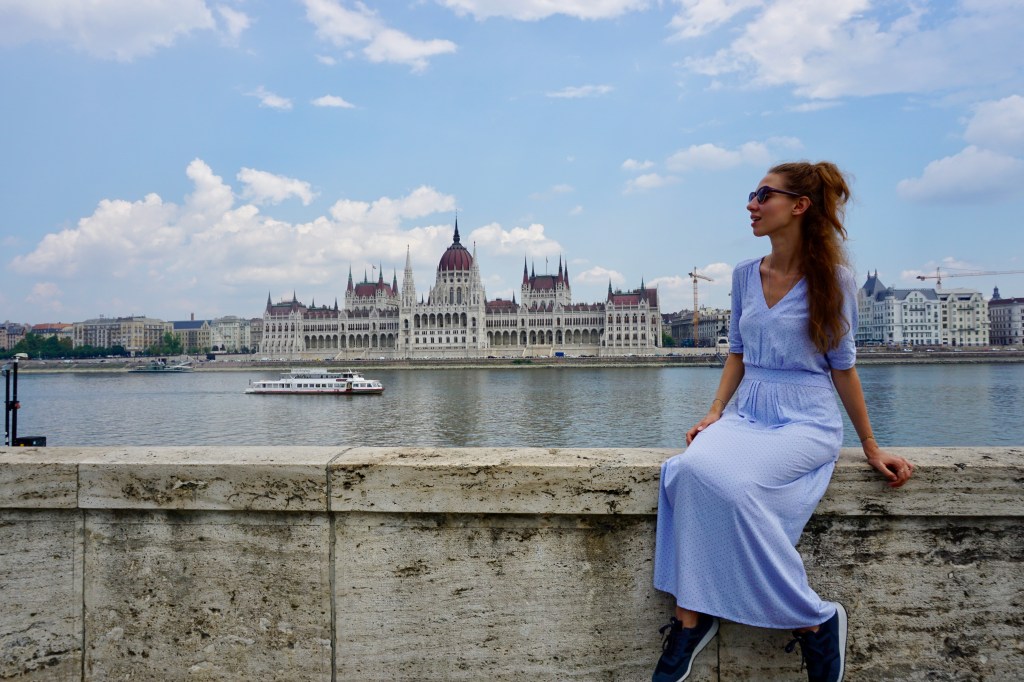
Why Budapest?
Budapest is one of the most beautiful cities in Central Europe, stretching along both sides of the Danube. It combines imperial architecture, a unique culture of thermal baths, and the extraordinary café atmosphere of the late 19th and early 20th centuries.
Best time to visit: April–June, September–October.
Top Attractions
Hungarian Parliament Building
A monumental landmark on the Danube – interior visits available with a guided tour.
Buda Castle
A palace complex on Castle Hill – home to galleries, museums and scenic terraces.
Fisherman’s Bastion
Panoramic terraces overlooking Pest – one of the best photo spots in the city.
Matthias Church
A richly decorated neo-Gothic church.
Thermal Baths – the City’s Signature Experience
Budapest is built on natural thermal springs.
- Széchenyi Baths – the largest bath complex in Europe,
- Gellért Baths – stunning Art Nouveau architecture and indoor pools.
Bridges & Panoramas
Chain Bridge – the symbol of the city,
Gellért Hill – sweeping views over Budapest and the Danube.
Iconic Café
New York Café
One of the most famous cafés in the world, often called “the most beautiful café in Europe”.
- gilded interiors, frescoes and marble,
- classic desserts and coffee,
- usually requires a reservation or waiting in line.
Interesting Districts
Jewish Quarter (District VII) – ruin pubs and vibrant nightlife,
Andrássy Avenue – an elegant boulevard leading to Heroes’ Square.
How Much Time to Plan?
1 day – city center, Castle Hill, Parliament,
2–3 days – plus thermal baths, cafés and a Danube cruise.
Summary
Budapest blends monumental architecture with relaxed café culture and deep thermal relaxation, offering one of the most diverse and atmospheric city experiences in this part of Europe.
Let’s meet @malvinadunder


 Malvina Dunder
Leave a comment