
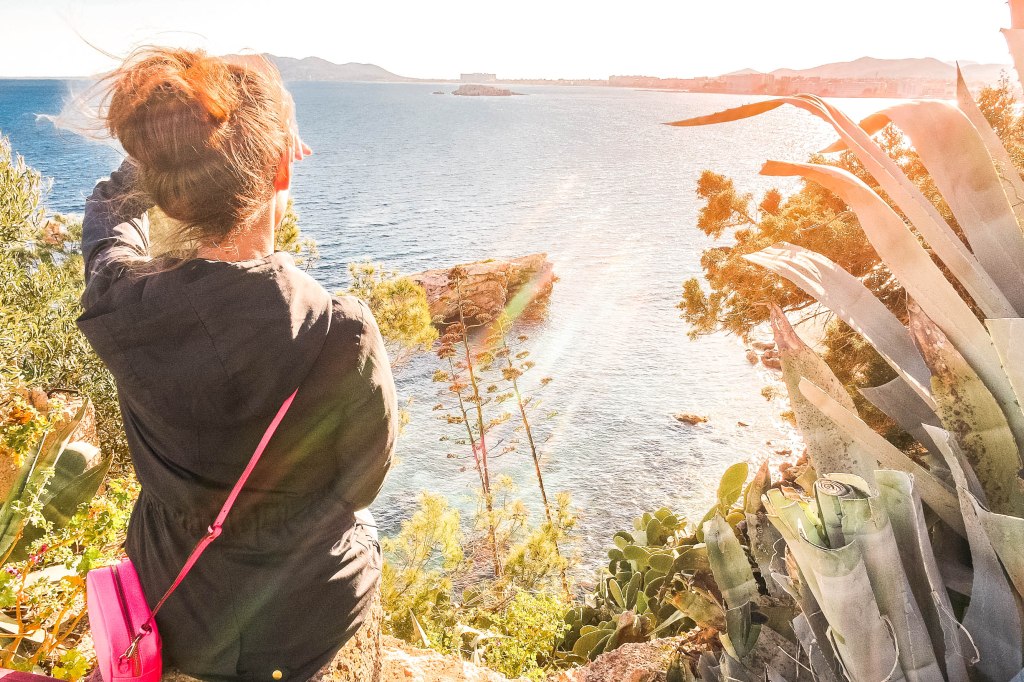
Why Ibiza?
Ibiza is not just about parties. The island offers beautiful coves, whitewashed villages, dramatic cliffs and excellent conditions for relaxed sightseeing, especially outside the peak summer season.
Best time to visit: May–June, September–October
July and August mean the highest prices and the biggest crowds.
Must-See Places
Dalt Vila – Ibiza Old Town
A historic center listed as a UNESCO World Heritage Site.
- Santa Maria Cathedral,
- 16th-century defensive walls,
- views over the port and the sea.
Sant Antoni de Portmany
A town famous for its sunsets.
- Café del Mar and Café Mambo – iconic sunset spots,
- a seaside promenade perfect for evening walks.
Santa Gertrudis
The island’s interior – white houses, local restaurants and a peaceful vibe.
Beaches Worth Visiting
- Cala Comte – wide bays and turquoise water,
- Cala d’Hort – views of the mystical rock Es Vedrà,
- Cala Bassa – pale sand and great swimming conditions,
- Benirrás – sunset drum sessions (especially on Sundays).
Es Vedrà – the Symbol of Ibiza
A rocky islet off the southwest coast of Ibiza, surrounded by local legends.
Best viewpoints: around Cala d’Hort.
Transport
The best option is renting a car – many beaches and viewpoints are poorly connected by public transport.
Alternatives:
- buses – they run, but infrequently outside the high season,
- scooters – popular, but less comfortable for longer distances.
Prices & Accommodation
- most expensive: July–August,
- cheapest stays: April, May, October,
- consider the north of the island – quieter and cheaper than the clubbing areas.
How Much Time to Plan?
3 days – old town, 2–3 beaches, sunset
5–7 days – a full island road trip, northern coves, the interior and Es Vedrà
In Summary
Ibiza reveals its calmer, more authentic side outside the peak season. It’s not only a party destination, but also a perfect place for short trips focused on nature, landscapes and the island’s unique atmosphere.
Let’s meet @malvinadunder


 Malvina Dunder
Leave a comment